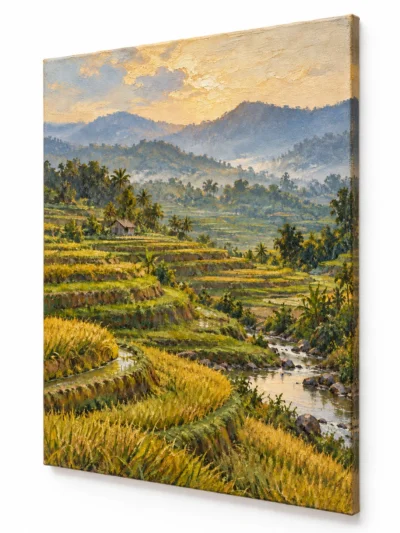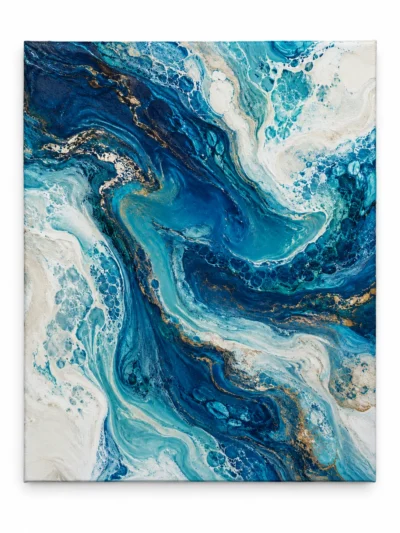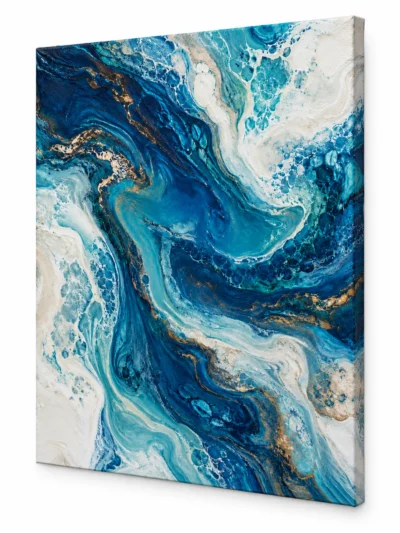
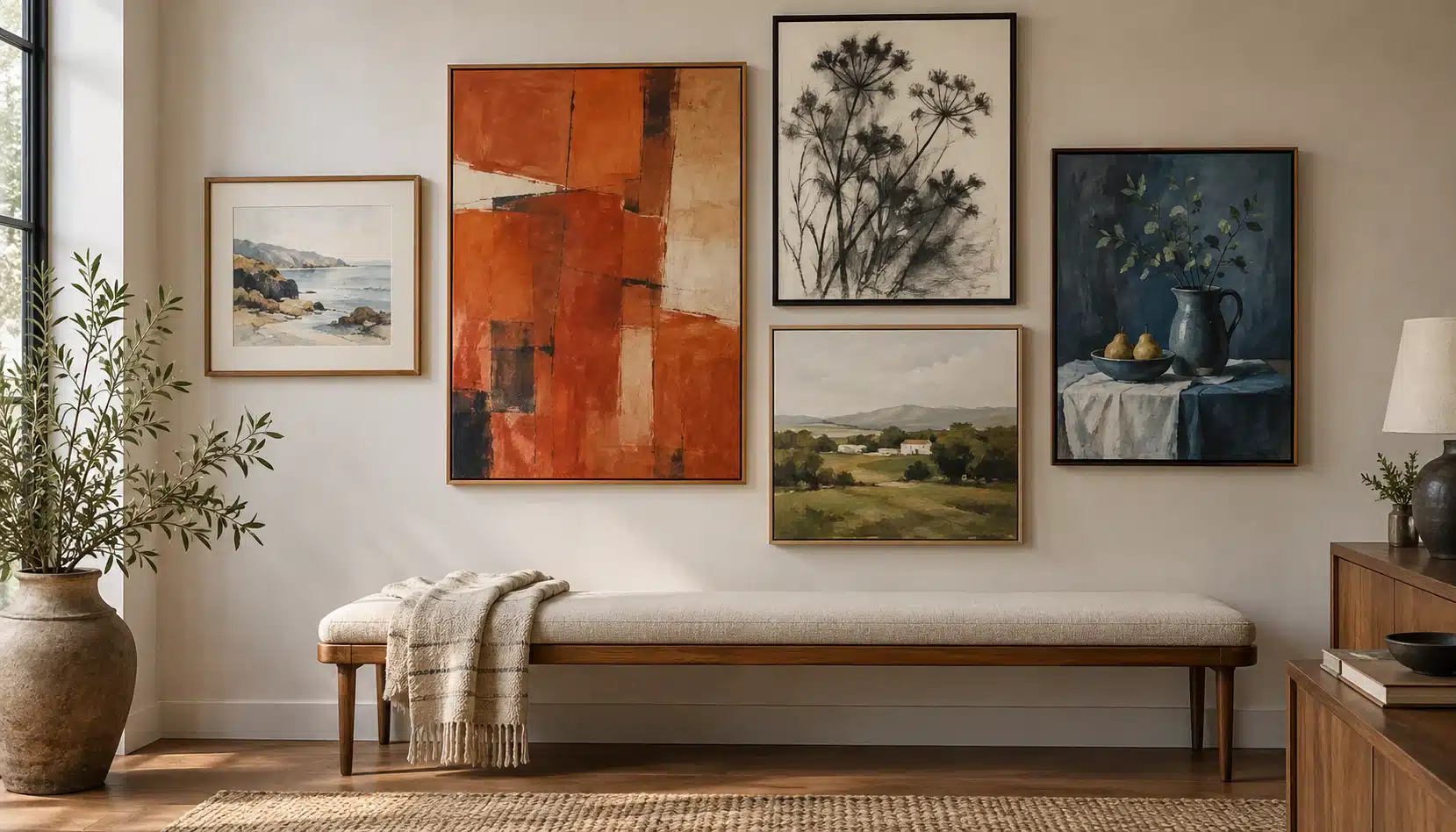
A gallery wall is a conversation between images. The pieces may share a colour, a subject, or a repeated shape, but they do not need to look identical. Planning the arrangement helps you see these connections while keeping each work clear enough to enjoy on its own.
Choose the group before choosing the pattern
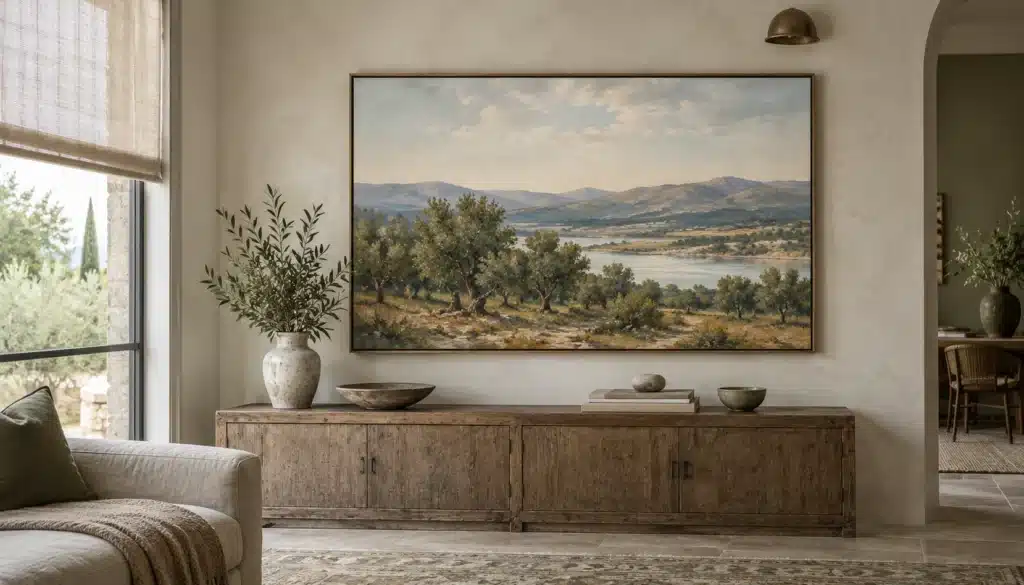
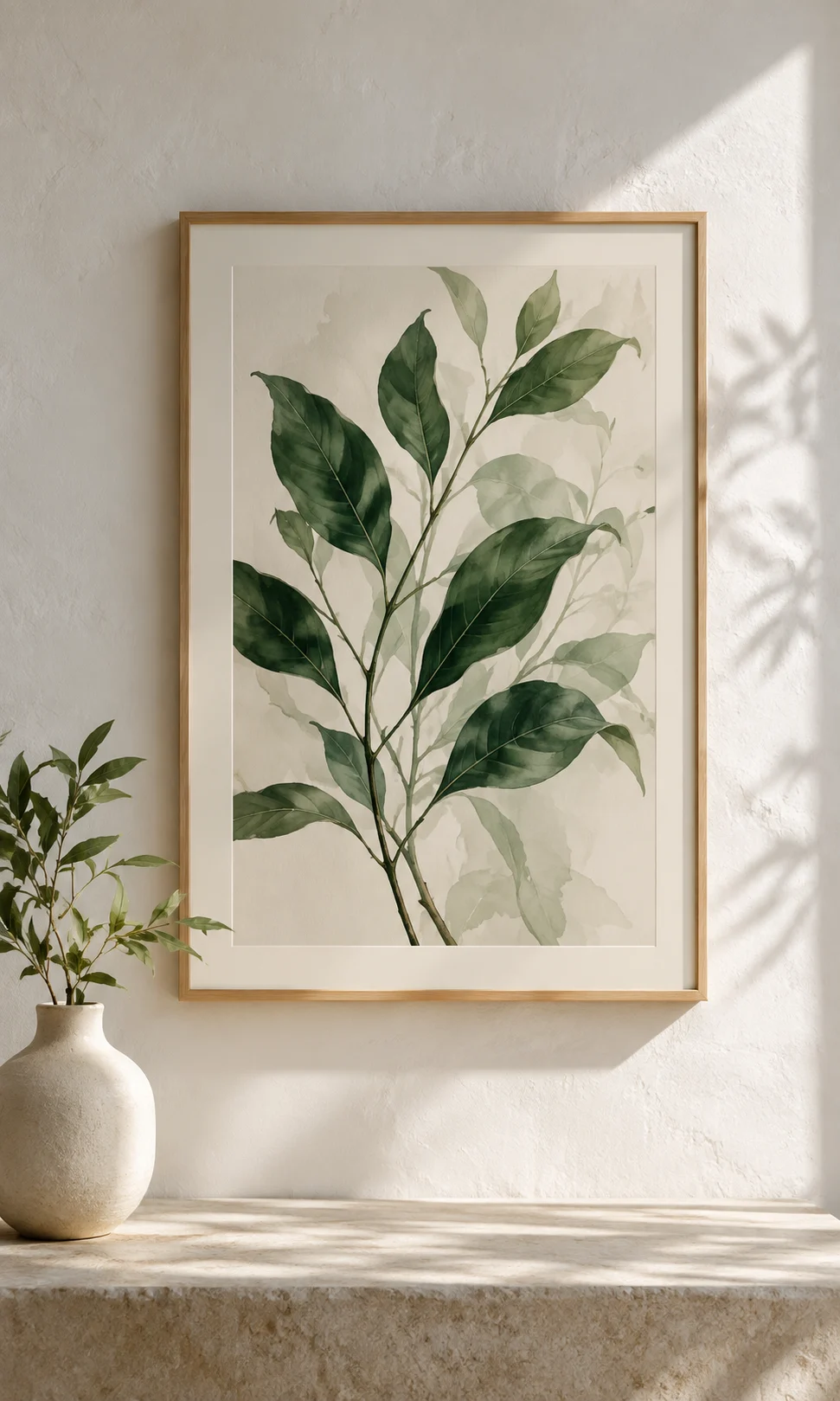
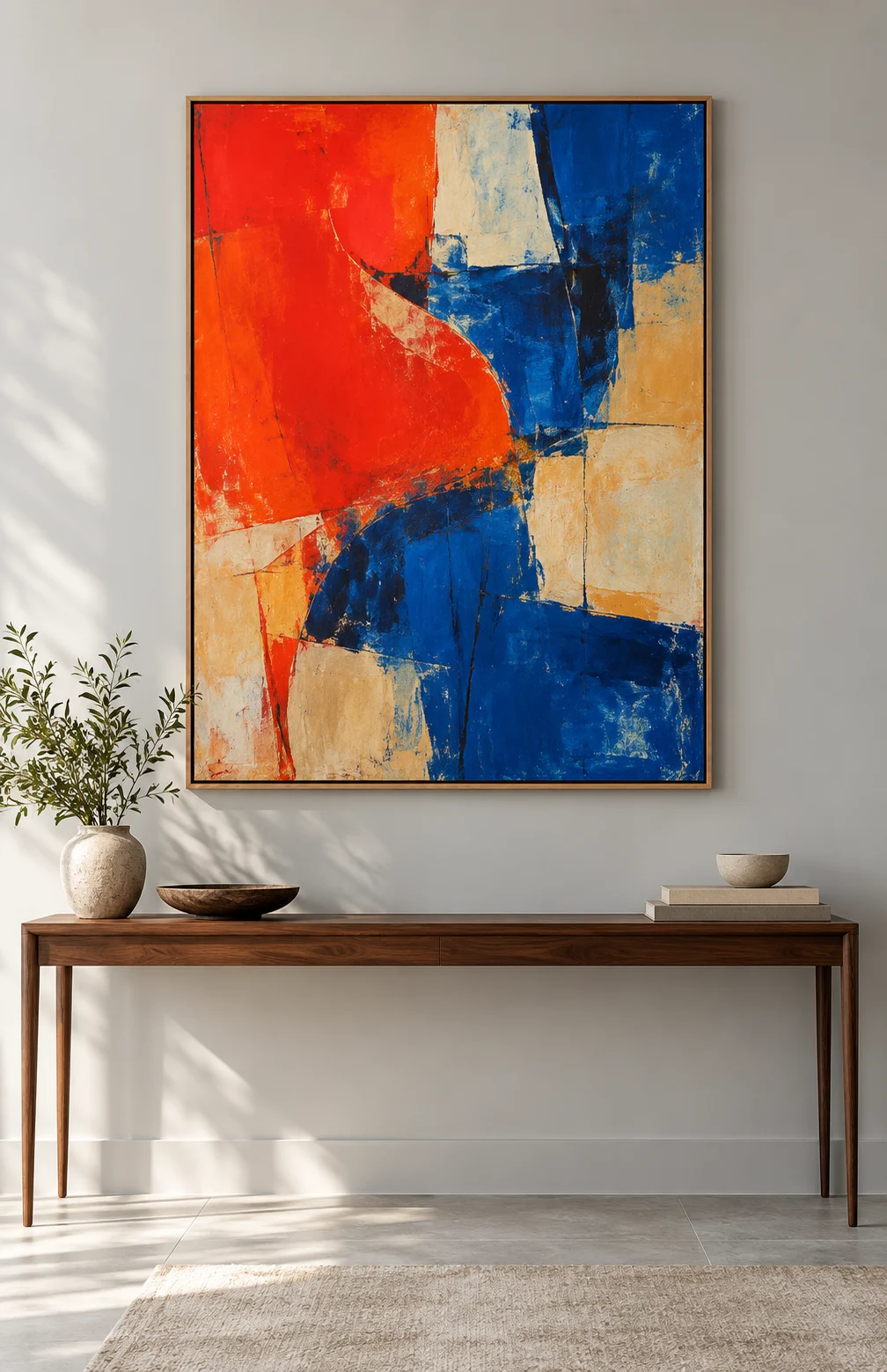
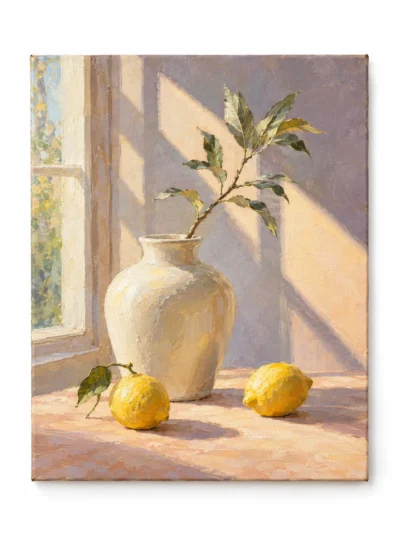
Lay out photographs or safe reproductions of the works you would like to include. Notice which pairings interest you. A quiet landscape beside an energetic abstract image may create a useful contrast; several closely related works may create a steadier rhythm. Start with the images, rather than buying pieces solely to fill a predetermined grid.
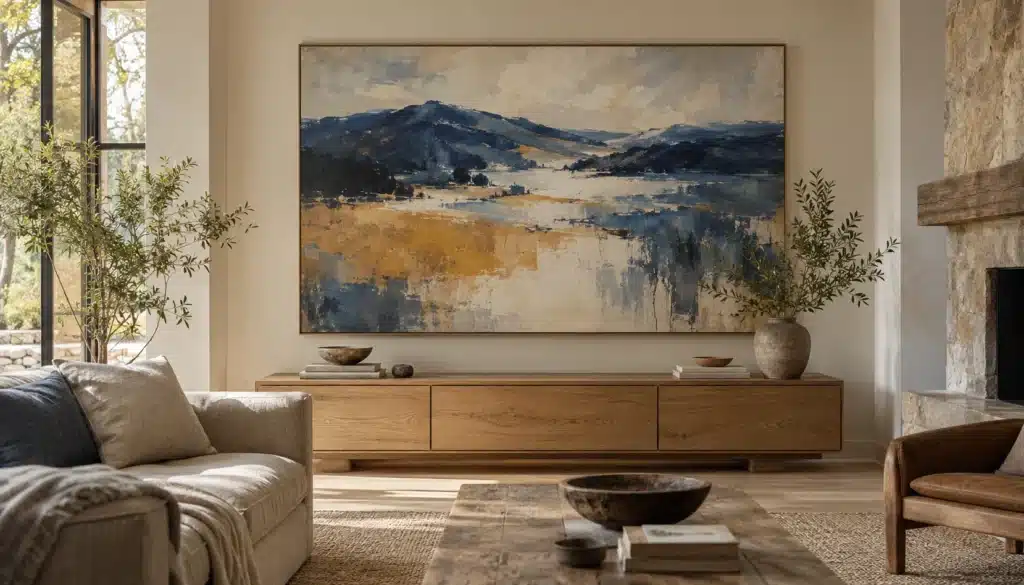
Identify one or two possible anchors. An anchor might be the largest work, the darkest frame, or a picture with a particularly strong focal point. Try placing it centrally, then off-centre. The difference can show whether you prefer a balanced arrangement or one with more movement.
Work with the actual outer dimensions
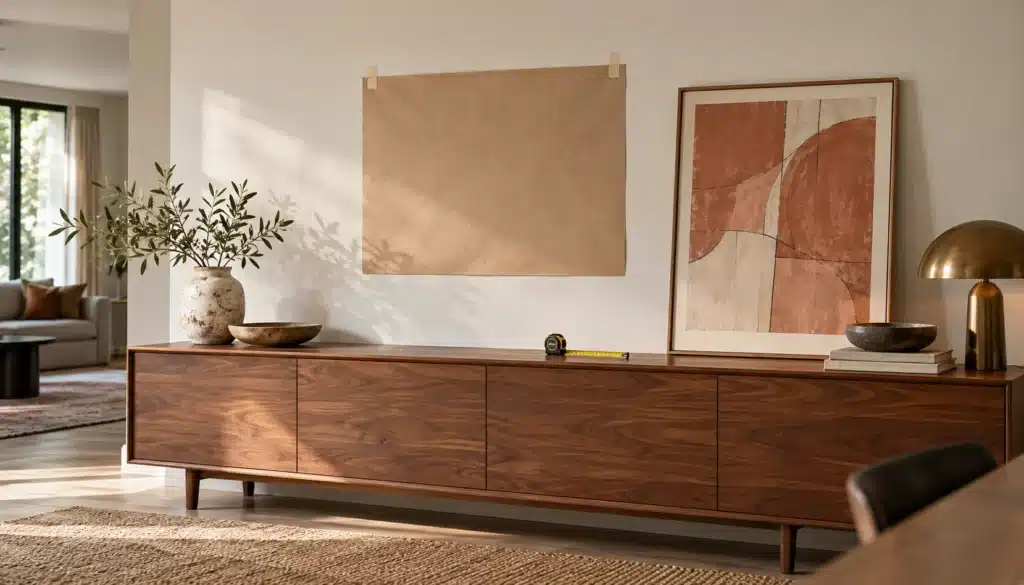
Record the size of every framed piece, including mounts. Cut paper outlines and arrange them on the floor or on a suitable wall with a temporary method that will not damage the surface. The outlines let you test the overall footprint without repeatedly lifting artworks.
Look at the gaps as carefully as the pictures. Relatively consistent spacing often makes a varied group easier to read, but consistency does not require mathematical perfection. A little extra space around a visually dense piece can be useful. Check that the arrangement relates comfortably to furniture and nearby openings.
Use a connection without forcing a match
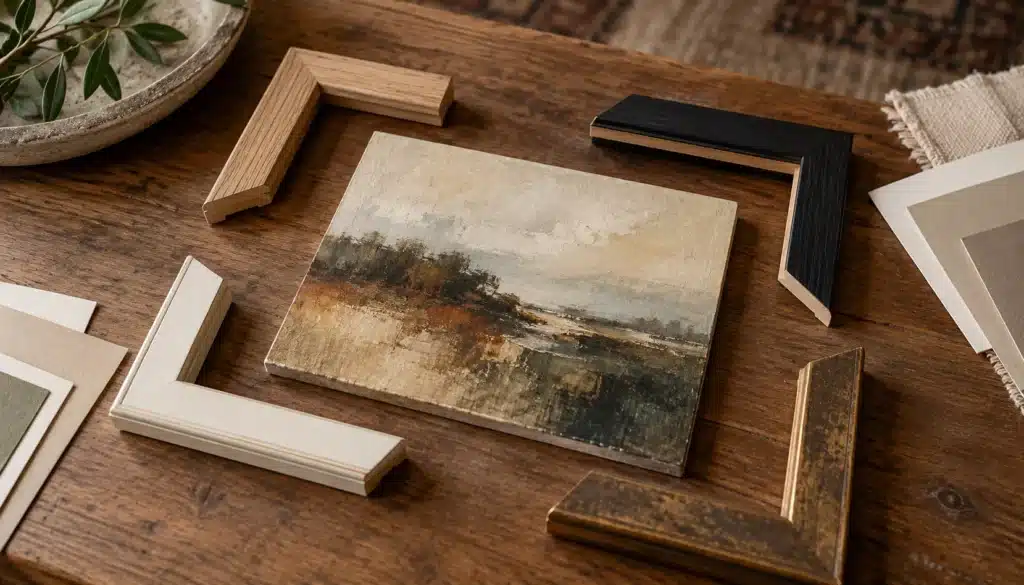
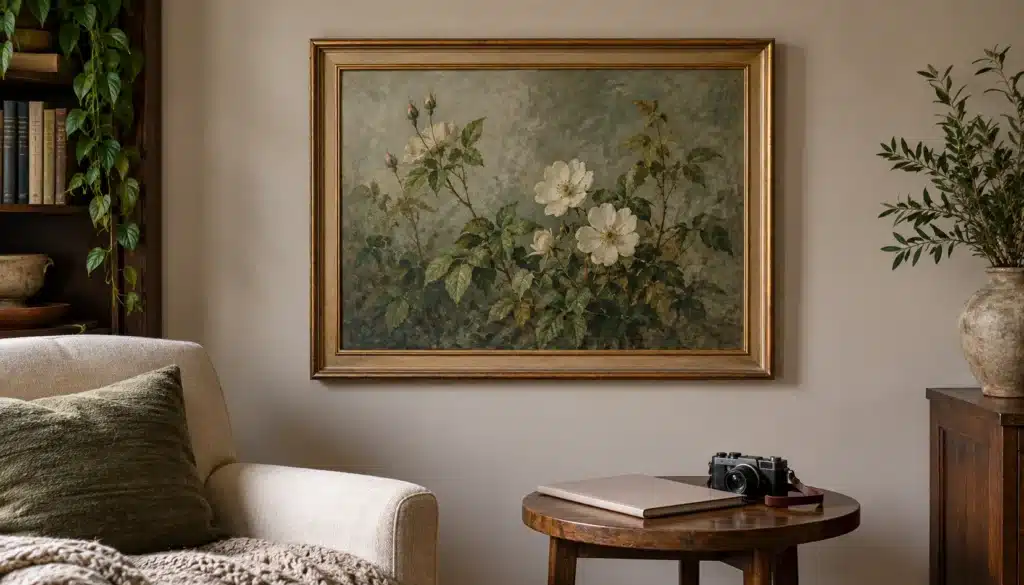
You might repeat a timber tone, use a small number of frame finishes, or let one colour appear in several images. These are ways to connect the group, not requirements. If everything matches, some of the individual character can disappear. Compare a more uniform layout with a mixed one before deciding.
Step back from the wall and then approach it. From a distance, does the group have a clear overall shape? Close up, can you see each image without another frame crowding it? Photograph the paper layout from the usual viewpoint, then leave it overnight before making the final choice.
Let the wall develop at a reasonable pace
A gallery wall does not have to be completed at once. Leaving some space can allow a meaningful future work to join the group. Keep a record of sizes and positions so that additions can be considered thoughtfully instead of squeezing them into the nearest gap.
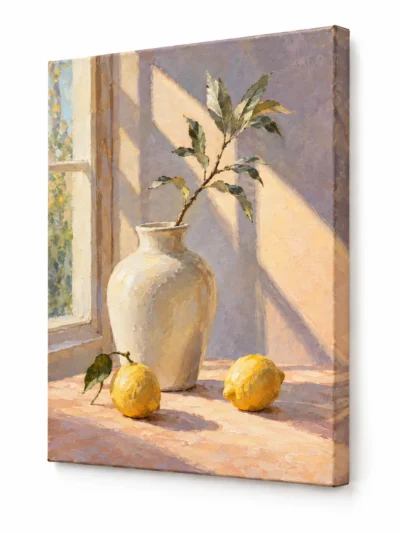
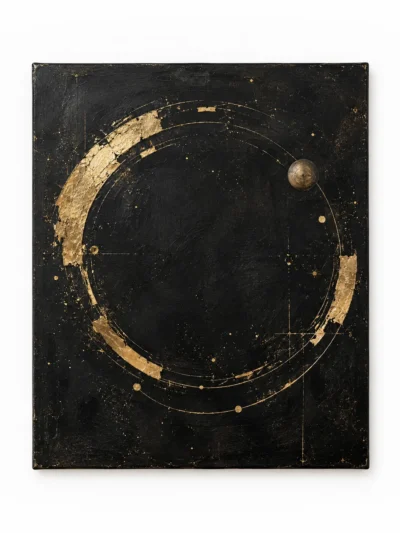
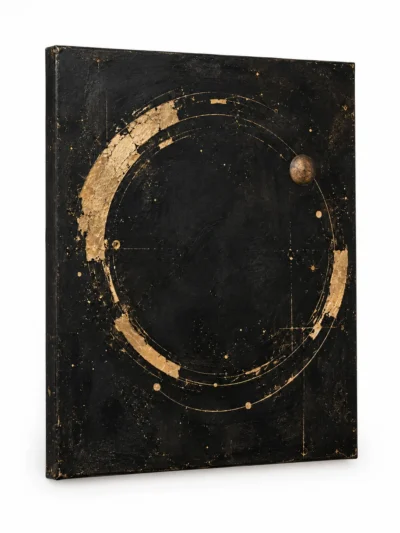
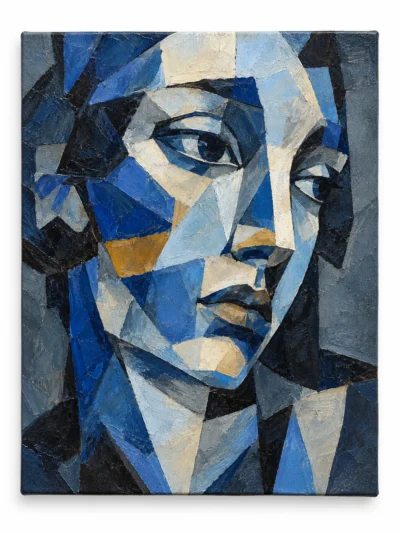
For physical installation, verify each work’s weight, frame, wall construction, and appropriate fixings. Ask an experienced installer to help when the conditions are uncertain. Artsy’s current catalogue offers preview images for visual exploration; use confirmed dimensions and actual artwork details when turning a visual arrangement into a real wall display.
 English
  Spanish
  Italian
  French
  German
  Chinese
  Arabic
  Dutch
Dutch  Norwegian
  Polish
  Finnish
  Portuguese